
Are We Close to World War 3? Rising Global Tensions and the Fear of a Wider Conflict
ARTICLE
The question of whether the world is moving closer to World War 3 has become increasingly common as global tensions rise across multiple regions.
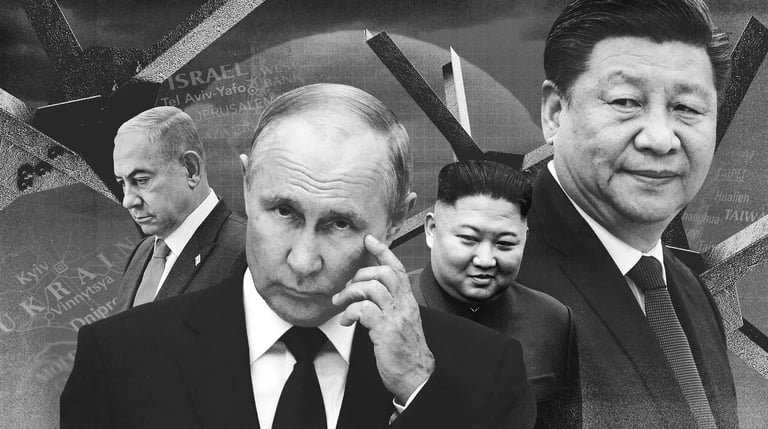
However, while the risks are real, the situation is more complex than a simple countdown to another world war.
Major flashpoints such as Eastern Europe, the Middle East, and the Indo-Pacific continue to dominate global headlines. Conflicts involving powerful nations or their allies naturally raise fears of escalation. The presence of nuclear weapons adds another layer of anxiety, as any direct confrontation between major powers could have catastrophic consequences. At the same time, cyber warfare, economic sanctions, and proxy conflicts have become modern tools of confrontation, replacing large-scale troop deployments seen in earlier world wars.
Despite these dangers, there are strong forces working against a global war. Economic interdependence means that a full-scale world conflict would severely damage all major economies, including those of the most powerful nations.
Ongoing wars, power rivalries, and shifting alliances have created an atmosphere of uncertainty that feels unsettlingly familiar to past periods of global conflict.
International institutions, diplomatic channels, and backdoor negotiations still play a crucial role in preventing crises from spiraling out of control. Even rival nations often maintain communication to avoid misunderstandings that could lead to accidental escalation.
Another key difference from the past is public awareness. Information travels instantly, and global public opinion can pressure governments to de-escalate rather than inflame tensions. Many countries are also more focused on internal challenges such as economic stability, climate change, and technological competition than on direct military confrontation.
While the world is undoubtedly passing through a dangerous and unstable phase, being “close” to World War 3 is not inevitable. The current global order is fragile, but it is also cautious. The future depends largely on diplomacy, restraint, and the willingness of global leaders to prioritize long-term stability over short-term power gains.
Recommended Reads:
Follow us
DISCLAIMER
© 2025 Defence Insider. All rights reserved.