
LPG Tankers Shivalik & Nanda Devi Reach India, Easing LPG Crisis
INDIAN DEFENCEGLOBAL DEFENCE
The arrival of two major liquefied petroleum gas (LPG) carriers — Shivalik LPG Tanker and Nanda Devi LPG Tanker — has brought much-needed relief to India at a time when the country has been facing tight LPG supplies.
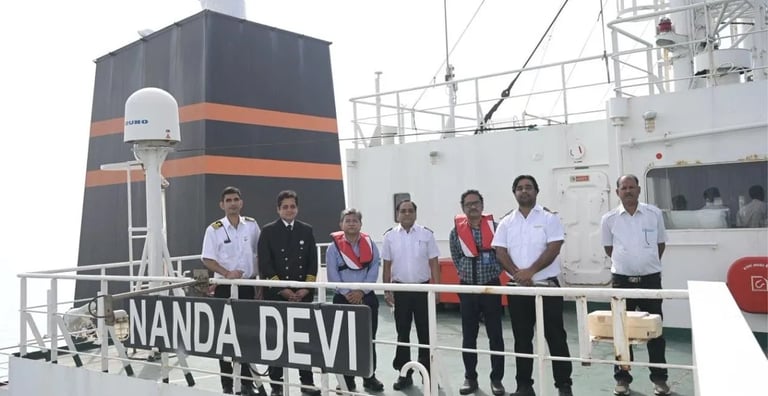
Their docking at Indian ports marks an important step in stabilizing the domestic fuel market and ensuring uninterrupted cooking gas availability for millions of households.
LPG is one of the most widely used fuels in India, particularly for cooking purposes. From urban apartments to rural homes, it plays a crucial role in everyday life. When supply disruptions occur, even for a short period, it can affect households, restaurants, and small businesses that depend on regular cylinder deliveries. In recent weeks, rising demand and logistical challenges had created pressure on the LPG distribution system, raising concerns about potential shortages.
The arrival of the Shivalik and Nanda Devi tankers therefore comes as welcome news.
These specialized vessels are designed to transport large quantities of liquefied petroleum gas safely across oceans. Their cargo will help replenish stockpiles at Indian storage terminals and ensure that distribution networks continue functioning smoothly.
Industry experts note that LPG demand in India has been steadily rising over the years. Government programs encouraging the use of cleaner cooking fuels have brought millions of new households into the LPG network. As a result, the country must constantly expand its supply chain to meet growing consumption.
The shipment carried by the two tankers is expected to significantly strengthen the supply buffer. Once the LPG cargo is unloaded and transferred to storage facilities, it will be distributed across multiple regions through bottling plants and transportation networks. This process ensures that cylinders reach distributors and eventually households without disruption.
Another important aspect of this development is the reassurance it provides to consumers. Fuel supply concerns can often lead to panic buying or hoarding, which further strains the distribution system. With fresh supplies arriving through the Shivalik and Nanda Devi, authorities and suppliers are confident that such situations can be avoided.
Energy analysts believe the arrival of these tankers also highlights the importance of maritime logistics in India’s energy security. Much of the country’s LPG supply depends on imports transported by sea. Modern LPG carriers like Shivalik and Nanda Devi are equipped with advanced containment systems that keep the gas in liquid form under controlled conditions, ensuring both safety and efficiency during long voyages.
Apart from addressing immediate shortages, the shipment also reflects broader efforts to strengthen India’s energy infrastructure. Over the past decade, the government and private sector have invested heavily in expanding LPG import terminals, storage facilities, and distribution networks. These improvements allow the country to respond more effectively when supply pressures arise.
For ordinary consumers, the most visible impact of these developments will be the continued availability of LPG cylinders without delays. Cooking gas is an essential commodity, and even minor disruptions can affect daily routines. Ensuring stable supply is therefore a top priority for both policymakers and energy companies.
The arrival of the Shivalik and Nanda Devi tankers serves as a reminder of the complex systems working behind the scenes to keep energy flowing. From international procurement and shipping to storage and last-mile delivery, multiple layers of coordination are required to keep the LPG ecosystem functioning smoothly.
Looking ahead, experts believe that India will continue diversifying its supply sources and strengthening logistical capabilities. With demand expected to grow further, additional LPG carriers, expanded storage infrastructure, and improved distribution systems will be key to maintaining stability in the market.
For now, however, the docking of these two tankers offers immediate reassurance. As their cargo moves through the supply chain and reaches households across the country, the pressure on LPG stocks is likely to ease. In a nation where millions depend on cooking gas every day, such timely arrivals play a vital role in keeping kitchens running and daily life uninterrupted.

Recommended Reads:
Follow us
DISCLAIMER
© 2025 Defence Insider. All rights reserved.