
Middle East on the Brink: Iran–US–Israel Conflict Intensifies as Global Tensions Rise
GLOBAL DEFENCE
The Middle East has entered one of its most volatile periods in decades as tensions between Iran, Israel, and the United States escalate into a rapidly expanding conflict.
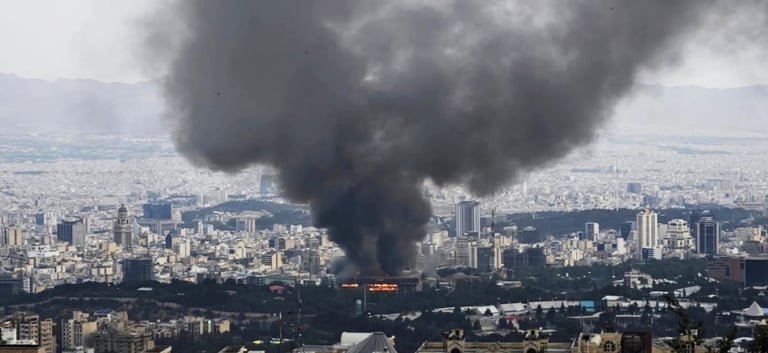
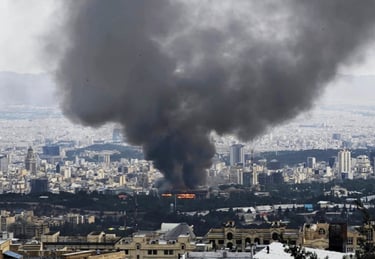
What began as a series of targeted military strikes has now evolved into a wider regional confrontation, raising concerns among global leaders about the possibility of a prolonged war that could reshape the geopolitical landscape.
The latest escalation began when Israel launched a large-scale military operation against Iranian targets, reportedly with coordination from the United States. The strikes targeted military facilities, missile bases, and strategic infrastructure across several Iranian cities, including the capital, Tehran. The operation aimed to weaken Iran’s military capabilities and prevent what Israel and the United States describe as a growing nuclear threat.
One of the most dramatic developments of the conflict was the killing of Iran’s Supreme Leader, Ayatollah Ali Khamenei, during an airstrike on February 28, 2026. The strike reportedly targeted senior Iranian leadership and military officials in Tehran. The death of the long-time leader sent shockwaves across the region and triggered widespread retaliation from Iran and its allied groups.
In response to the assassination and ongoing airstrikes, Iran launched multiple waves of missile and drone attacks targeting Israeli cities and U.S. military bases across the Middle East. Several missiles struck civilian areas in Israel, causing casualties and widespread damage. The attacks signaled Iran’s determination to retaliate forcefully and demonstrate that it still possesses significant military capabilities despite the ongoing bombardment.
The conflict quickly spread beyond the borders of Iran and Israel. Hezbollah, the Iranian-backed militant group based in Lebanon, began launching rocket attacks into northern Israel shortly after the initial strikes. Israel responded with heavy airstrikes on Hezbollah positions in Beirut and other areas of Lebanon. These developments have raised fears that the conflict could expand into a multi-front war involving numerous actors across the Middle East.
Another major flashpoint in the crisis is the Strait of Hormuz, one of the world’s most critical oil shipping routes. Iran has threatened international shipping in the strait and warned vessels not to pass through the area. As a result, several shipping companies have suspended operations, disrupting global energy markets and raising the possibility of rising oil prices worldwide. The strait normally handles a significant portion of global oil trade, making any disruption there a matter of global economic concern.
The humanitarian impact of the conflict has also been severe. Reports indicate that hundreds of civilians have been killed and thousands injured in the first days of the fighting. Bombings have damaged residential neighborhoods, hospitals, and schools in some areas, leading to widespread condemnation from international human rights organizations. Large numbers of civilians have begun fleeing major cities such as Tehran in search of safety.
The conflict has also extended into international waters. In one significant incident, a U.S. submarine reportedly sank an Iranian warship near the coast of Sri Lanka, killing dozens of sailors and further escalating tensions between the two countries. The event marked a dramatic expansion of the conflict beyond the Middle East and highlighted the growing risk of a wider global confrontation.
Diplomatic efforts to de-escalate the situation have so far struggled to gain momentum. European nations remain divided over how to respond, while the United Nations has called for restraint from all sides. Many world leaders fear that if the fighting continues, it could destabilize the entire region and trigger economic consequences far beyond the Middle East.
Meanwhile, political rhetoric from leaders involved in the conflict suggests that the situation may worsen before it improves. Some officials have hinted that the war could continue for weeks or even months, depending on how Iran responds to the ongoing strikes and whether diplomatic negotiations can restart.
For now, the world is watching closely as one of the most dangerous geopolitical crises in recent years unfolds. The conflict has already reshaped alliances, disrupted global trade routes, and heightened fears of a broader war. Whether the crisis ends through diplomacy or continues to escalate will likely determine the future stability of the Middle East and its role in global politics.

Recommended Reads:
Follow us
DISCLAIMER
© 2025 Defence Insider. All rights reserved.