
Middle East Tensions Escalate as Trump Signals Possible Iran Deal Amid Strait of Hormuz Developments
GLOBAL DEFENCE
The ongoing Middle East crisis has taken a complex turn as diplomatic signals emerge alongside continued military tensions. Recent statements by former U.S. President Donald Trump have added a new dimension to the situation, suggesting that Iran may be showing signs of willingness to negotiate, even as conflict continues across the region.
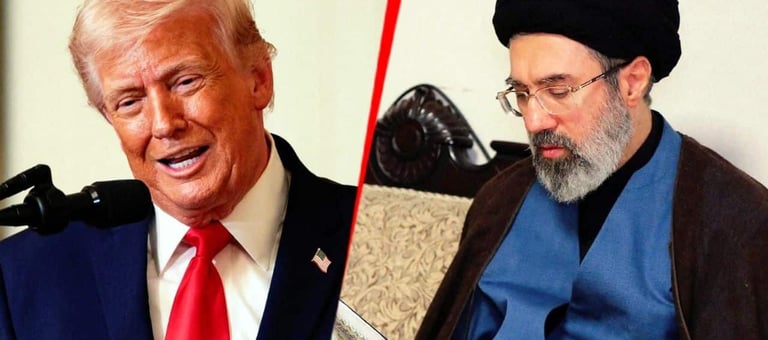
Speaking during a cabinet meeting, Trump claimed that Iran is “begging to make a deal,” indicating that the pressure from ongoing military operations and economic strain may be influencing Tehran’s stance. However, this claim has not been officially confirmed by Iranian authorities, who continue to maintain a firm position regarding their sovereignty and conditions for any agreement.
One of the most significant developments highlighted by Trump is the reported movement of oil tankers through the strategically critical Strait of Hormuz.
According to his remarks, Iran allowed around ten oil tankers to pass through the strait as a gesture of goodwill, which he described as a “present” during ongoing tensions. This move, if accurate, could indicate a potential opening for diplomatic engagement, especially given the importance of the strait in global energy supply.
The Strait of Hormuz remains one of the most crucial maritime routes in the world, responsible for transporting a significant portion of global oil. Disruptions in this narrow passage have historically led to spikes in oil prices and widespread economic uncertainty. Since the escalation of the conflict in early 2026, the strait has seen severe disruptions, with shipping traffic declining drastically due to security concerns and military activity.
The broader conflict stems from escalating tensions between the United States, Israel, and Iran, which intensified following military strikes earlier this year. These strikes targeted key Iranian infrastructure and military assets, prompting retaliatory actions from Iran, including missile and drone attacks on regional targets. The situation has since evolved into a wider regional crisis involving multiple actors, raising fears of a prolonged conflict.
Despite Trump’s optimistic tone regarding potential negotiations, reports suggest that Iran has rejected certain U.S. proposals, including a multi-point peace plan. Instead, Tehran has reportedly put forward its own conditions, emphasizing the need for a cessation of hostilities, recognition of its authority over the Strait of Hormuz, and compensation for damages caused during the conflict. This indicates that while there may be indirect communication between the two sides, significant gaps remain in their positions.
Meanwhile, military activity in the region continues to escalate. Israeli airstrikes have reportedly targeted key Iranian military figures, while Iran has responded with missile attacks impacting areas beyond its borders, including parts of the Gulf region. These developments highlight the fragile nature of the situation, where diplomatic signals coexist with ongoing hostilities.
The economic impact of the crisis is also becoming increasingly evident. Global oil markets have experienced volatility, with prices rising sharply due to fears of prolonged disruption in supply. Analysts warn that continued instability in the Strait of Hormuz could have far-reaching consequences for the global economy, affecting everything from fuel prices to inflation rates.
In addition to economic concerns, humanitarian issues are emerging as a significant challenge. Reports indicate casualties and displacement in conflict-affected areas, raising concerns among international organizations about the long-term impact on civilian populations. The involvement of multiple countries and non-state actors further complicates efforts to de-escalate the situation.
At the same time, regional powers and international stakeholders are attempting to play a mediating role. Countries like Pakistan have reportedly facilitated indirect communication between the United States and Iran, while others have urged restraint to prevent further escalation. However, the lack of a unified global response has made it difficult to establish a clear path toward resolution.
In conclusion, the Middle East crisis remains highly volatile, with a delicate balance between conflict and diplomacy. Trump’s claims about Iran’s willingness to negotiate and the movement of oil tankers through the Strait of Hormuz may suggest a potential opening for dialogue. However, with both sides holding firm to their positions and military actions continuing, the path to peace remains uncertain. The coming weeks will be critical in determining whether these developments lead to meaningful negotiations or further escalation in an already tense region.

Recommended Reads:
Follow us
DISCLAIMER
© 2025 Defence Insider. All rights reserved.