
Oil Route Showdown: Iran Warns Strait of Hormuz Closed to Its “Enemies” Amid Escalating War
GLOBAL DEFENCE
The global geopolitical landscape has entered a tense new phase after Iran declared that the strategic Strait of Hormuz will remain open to neutral countries but effectively “closed to enemies.”
The statement by Iranian Foreign Minister Abbas Araghchi comes at a time when tensions between Iran, United States, and Israel have reached one of their most dangerous levels in decades.
During a recent press briefing, Araghchi emphasized that the key maritime passage would continue to allow ships from neutral or non-involved countries to transit. However, vessels associated with nations that Iran considers responsible for military attacks would not receive the same treatment. According to him, the waterway remains open in principle, but it is “closed to those who carried out aggression and their allies.”
Why the Strait of Hormuz Matters
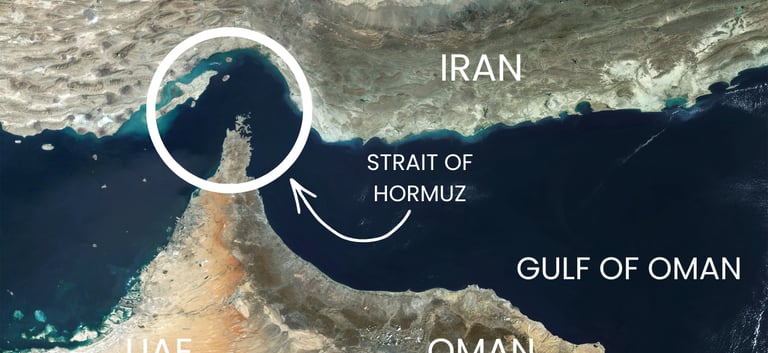
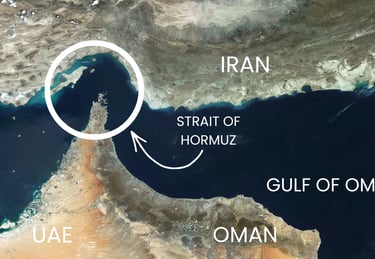
The Strait of Hormuz is one of the most critical maritime chokepoints in the world. Located between Iran and Oman, it connects the Persian Gulf to the Arabian Sea and serves as a major corridor for global energy trade. Nearly 20 percent of the world’s oil shipments pass through this narrow waterway every day, making it essential to global economic stability.
Because of its importance, any disruption in the strait can immediately affect global oil prices and supply chains. Recent tensions have already led to a sharp drop in tanker traffic, as shipping companies and energy firms try to avoid risks in the region. Reports indicate that many vessels have either delayed their journeys or anchored outside the strait while awaiting security guarantees.
Rising Military Tensions
Iran’s statement comes amid an ongoing military confrontation that has seen airstrikes, drone attacks, and naval incidents across the Gulf region. According to various reports, joint military operations by the United States and Israel targeted several Iranian facilities earlier this year, triggering retaliation from Tehran and its allied forces.
In response to these attacks, Iranian forces have reportedly increased patrols and surveillance around the Strait of Hormuz. The country’s naval units and the Islamic Revolutionary Guard Corps (IRGC) have warned that hostile vessels entering the region could face serious consequences. These developments have transformed the strait into one of the most closely watched flashpoints in the world.
Impact on Global Energy Markets
The possibility of restricted shipping in the Strait of Hormuz has alarmed energy markets worldwide. When tensions first escalated, crude oil prices surged beyond $100 per barrel as traders feared a major supply disruption. This reaction highlights how sensitive global markets are to developments in the Persian Gulf.
Major oil-exporting countries such as Saudi Arabia, Kuwait, and the United Arab Emirates rely heavily on the strait to ship their petroleum to international markets. Any prolonged closure or restriction could cause severe shortages and drive energy prices even higher.
At the same time, several countries that depend on Middle Eastern oil—including Asian economies—have been quietly negotiating with Iran to ensure their tankers can pass safely through the corridor. Some vessels have reportedly been granted limited transit permissions under special arrangements.
Calls for International Intervention
The growing crisis has triggered diplomatic activity across the globe. The United States has reportedly proposed forming a multinational naval coalition to ensure freedom of navigation in the Strait of Hormuz. The idea would involve several countries deploying warships to escort commercial vessels and deter attacks on shipping.
However, not all nations are eager to participate in such an operation. Some European governments have expressed hesitation about becoming directly involved in the conflict, fearing that a military presence could escalate tensions even further.
Meanwhile, international leaders have urged restraint and called for renewed diplomatic dialogue. European officials have suggested exploring new frameworks to guarantee safe maritime transit while preventing a wider regional war.
Strategic Messaging from Tehran
Iran’s announcement that the strait is “closed to enemies” is widely seen as both a military warning and a political signal. By maintaining limited passage for neutral ships, Tehran is attempting to demonstrate that it is not seeking to disrupt global trade entirely. At the same time, the policy allows Iran to exert pressure on countries it considers hostile.
Analysts believe this strategy gives Iran leverage without triggering an immediate global economic crisis. If the strait were completely blocked, it could harm Iran itself, as the country also relies on maritime routes for exporting its oil and goods.
A Region on Edge
Despite these calculations, the situation remains extremely fragile. Even a single incident involving tankers or naval forces could quickly escalate into a larger confrontation. Shipping companies, energy markets, and governments around the world are therefore monitoring developments closely.
For now, the Strait of Hormuz stands at the center of a high-stakes geopolitical contest. Whether the crisis leads to diplomacy or deeper conflict may depend on decisions made in the coming weeks by the world’s most powerful nations.
One thing is clear: the narrow waterway that carries a fifth of the world’s oil has once again become a focal point of global power politics.

Recommended Reads:
Follow us
DISCLAIMER
© 2025 Defence Insider. All rights reserved.