
Rising Tensions in the Gulf: Israel Escalates Strikes as Diplomacy Struggles Over Hormuz Crisis
GLOBAL DEFENCE
The ongoing conflict between Israel and Iran has entered a more dangerous and uncertain phase, with military escalation intensifying even as fragile diplomatic efforts attempt to prevent a wider regional war.
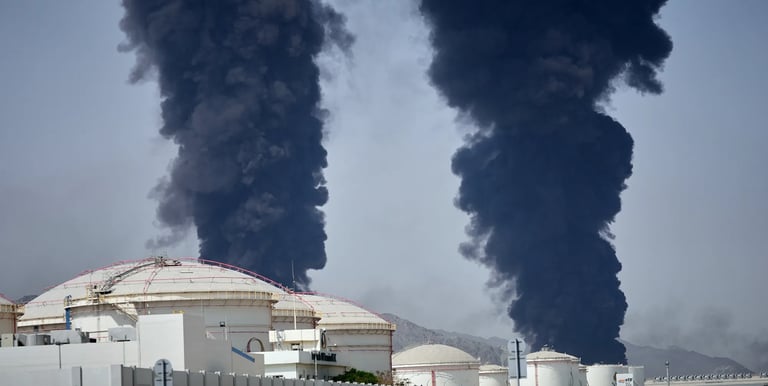
At the center of this crisis lies the strategically vital Strait of Hormuz, a narrow waterway that carries nearly one-fifth of the world’s oil supply and has become a key flashpoint in the conflict.
Israel has made it clear that it has no intention of slowing down its military campaign. Senior officials have vowed to “intensify and expand” strikes on Iranian targets, citing continued missile attacks and security threats posed by Tehran. These strikes have reportedly targeted critical infrastructure, including nuclear-related facilities and military installations, signaling a shift toward deeper and more aggressive operations inside Iranian territory.
At the same time, Iran has responded with its own series of retaliatory actions, including missile launches and disruptions in maritime traffic. The Iranian Revolutionary Guard has effectively restricted access to the Strait of Hormuz, warning vessels linked to adversaries to stay away. This blockade has significantly reduced shipping activity and raised alarms across global markets, as disruptions in oil supply have immediate ripple effects on energy prices and economic stability.
Amid this escalating confrontation, former U.S. President Donald Trump has attempted to balance pressure with diplomacy. While earlier threats suggested imminent strikes on Iran’s energy infrastructure, Trump has now delayed the deadline, granting Tehran additional time to ease tensions and reopen the strait. This move came after Iran allowed a limited number of oil tankers to pass, which Trump described as a “gesture” indicating possible willingness to negotiate.
However, despite these diplomatic signals, there is little evidence of a meaningful breakthrough. Reports suggest that negotiations remain indirect and fragile, with both sides holding firm positions. Iran has reportedly rejected key elements of U.S. proposals, calling them biased, while continuing to assert control over the strait as leverage in the broader conflict.
The consequences of this standoff are already being felt globally. Oil prices have surged past $110 per barrel, reflecting fears of prolonged disruption in supply. Financial markets have reacted negatively, with major indices experiencing sharp declines due to uncertainty and investor anxiety. Countries heavily dependent on energy imports are particularly vulnerable, as rising fuel costs threaten economic stability and inflation control.
Meanwhile, regional tensions continue to spill beyond the immediate conflict zone. Iran-backed groups and allied forces have expanded the scope of hostilities, targeting strategic locations across the Middle East. Civilian displacement and casualties are rising, highlighting the humanitarian cost of the war. The situation has prompted calls from global leaders for restraint and renewed diplomatic engagement, but so far, these appeals have had limited impact.
Efforts by international actors to mediate the crisis are ongoing, with countries like Pakistan and Malaysia playing roles in facilitating dialogue and ensuring safe passage for their vessels. Some limited agreements have been reached, allowing certain ships to transit through the strait under special arrangements. However, these measures are temporary and do not address the underlying tensions driving the conflict.
The Strait of Hormuz remains the critical pressure point in this crisis. Its closure or disruption not only affects regional security but also poses a significant threat to global energy markets. Historically, such chokepoints have been difficult to reopen once militarized, especially if mines or naval blockades are involved, making the current situation even more precarious.
In conclusion, the Israel-Iran conflict is at a dangerous crossroads. While Israel is escalating its military operations to counter perceived threats, diplomatic efforts led by the United States are struggling to gain traction. The delay in military action by Washington offers a brief window for negotiation, but without tangible progress, the risk of a broader and more devastating conflict remains high. As tensions continue to rise, the world watches closely, aware that the outcome of this crisis could reshape the geopolitical and economic landscape for years to come.
