
US Slaps New Sanctions on Iran Over Protest Crackdown
GLOBAL DEFENCE
The United States has unveiled a new round of sanctions targeting Iran, placing economic and travel restrictions on senior Iranian officials and key financial actors tied to the regime’s crackdown on nationwide protests.
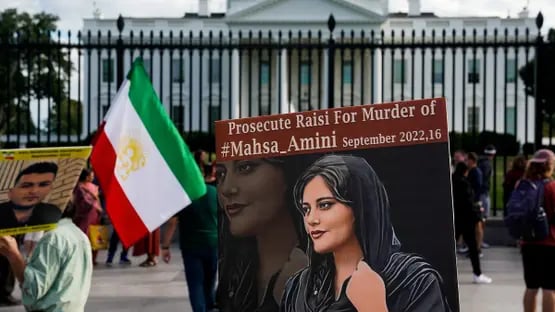
The escalation in punitive measures comes amid mounting global condemnation of Tehran’s violent suppression of demonstrators and growing geopolitical tensions between Washington and Tehran.
At the center of the latest sanctions is Iran’s Interior Minister, Eskandar Momeni, who the U.S. government accuses of overseeing law enforcement forces responsible for the brutal repression of peaceful protesters. According to official statements from the U.S. Department of the Treasury, Momeni played a leading role in directing security operations that resulted in widespread human rights abuses, including the deaths and arbitrary arrests of thousands of Iranian citizens.
In addition to Momeni, the U.S. designated several other high-ranking Iranian security officials and individuals alleged to be complicit in organizing or facilitating the violent response to protests.
These sanctions freeze any assets the sanctioned individuals hold within U.S. jurisdiction, prohibit travel to the United States, and bar U.S. citizens and companies from engaging in business dealings with them.
The Treasury’s action also extended beyond officials to target business networks and financial infrastructure used by the Iranian regime to finance repression. Two UK-registered digital asset exchanges accused of processing funds on behalf of Iran’s Islamic Revolutionary Guard Corps (IRGC) were sanctioned, along with other entities linked to sanctions evasion and money laundering schemes. These steps are intended to disrupt Tehran’s ability to move capital internationally and undercut financial flows that sustain both domestic repression and foreign policy endeavors deemed destabilizing by Washington.
Underlying these measures are months of protests that erupted across Iran in late 2025. What began as demonstrations against deteriorating economic conditions — particularly following a steep fall in the Iranian currency and soaring inflation — quickly transformed into larger rallies against the theocratic establishment. Activists and rights groups have reported that thousands of protesters have been killed at the hands of security forces, although exact figures remain difficult to independently verify due to tight media restrictions and internet shutdowns in the country.
These U.S. sanctions build on a series of punitive steps taken earlier in the month and over the past year. In late January, the Treasury Department also sanctioned a fleet of nine oil tankers and eight related companies — often referred to as Iran’s “shadow fleet” — which the U.S. says play a pivotal role in smuggling Iranian petroleum to global markets and generating revenue used to fund repression and other activities across the region. Treasury Secretary Scott Bessent described these vessels as a vital channel through which Tehran evades existing sanctions and finances its security apparatus.
The U.S. rationale for this multifaceted sanctions campaign frames these actions as support for the Iranian people’s “call for freedom and justice,” while simultaneously constraining Tehran’s financial networks and penalizing those responsible for serious human rights violations. Bessent has repeatedly emphasized that the Treasury will use “every tool” at its disposal to target officials and institutions behind the violent repression.
Global and Regional Repercussions
The United States is not alone in its response. The European Union has also imposed sanctions against Momeni and other members of Iran’s judiciary and security apparatus, adding to international pressure on Tehran. The EU’s measures include asset freezes and travel bans similar to those enacted by the U.S., as well as moves to designate Iran’s Islamic Revolutionary Guard Corps as a terrorist organization — a symbolic yet politically significant step that underscores European displeasure with Tehran’s actions.
Iran’s government has strongly rejected the sanctions and described them as unwarranted interference in its internal affairs. Tehran has routinely characterized the protests as influenced by foreign adversaries and dismissed allegations of excessive force as propaganda. In some state-aligned statements, officials have framed the unrest as threats to national security and have vowed to retaliate against countries that support “terrorist activities” against the Islamic Republic.
In external diplomacy, Iranian officials signaled a willingness to engage in negotiations with the United States — though no formal talks are yet scheduled. Iran’s Foreign Minister Abbas Araghchi has stated that any negotiations must be fair and balanced, and has simultaneously underscored Iran’s preparedness for conflict if deemed necessary — revealing the delicate balance Tehran is attempting to strike between diplomacy and defiance.
Broader Implications
The renewed sanctions raise questions about the larger trajectory of U.S.–Iran relations, which have oscillated between diplomatic engagement and punitive actions over decades. While sanctions have long been a cornerstone of U.S. policy toward Iran — particularly related to its nuclear program and support for militant groups in the Middle East — they are increasingly being deployed in response to domestic human rights concerns.
Supporters of the sanctions argue that they serve both moral and strategic purposes — signaling U.S. solidarity with oppressed populations and disrupting the financial apparatus that enables authoritarian regimes to sustain repression. Critics, however, caution that sanctions can have broad economic effects on civilians and may entrench hardliners who rally citizens against perceived external threats. The effectiveness of sanctions in catalyzing political change within Iran remains a subject of longstanding debate among analysts.
As tensions continue to simmer, the new sanctions mark a significant moment in international responses to Iran’s internal crisis. With economic pressure intensifying and diplomatic channels remaining uncertain, both Tehran and Washington face complex choices about how best to proceed as regional stability hangs in the balance.
Recommended Reads:
Follow us
DISCLAIMER
© 2025 Defence Insider. All rights reserved.